|
Hi everyone,
re:Invent 2020 is finally available on Youtube! Hundreds of sessions to watch or rewatch, it's a great occasion to learn for free.
Other than that, a lot of content has been published since the last newsletter, so without further suspense, enjoy!
Jerome
|
|
7 reasons why serverless encourages useful engineering practices
|
Single responsibility principle, frequent deployments, least privilege security principle, infrastructure as code, ... are engineering practices we should always (try to) apply. Is serverless encouraging those practices? Maybe... At least, that's the idea of this article.
|
|
| The Missing Guide to AWS API Gateway Access Logs |
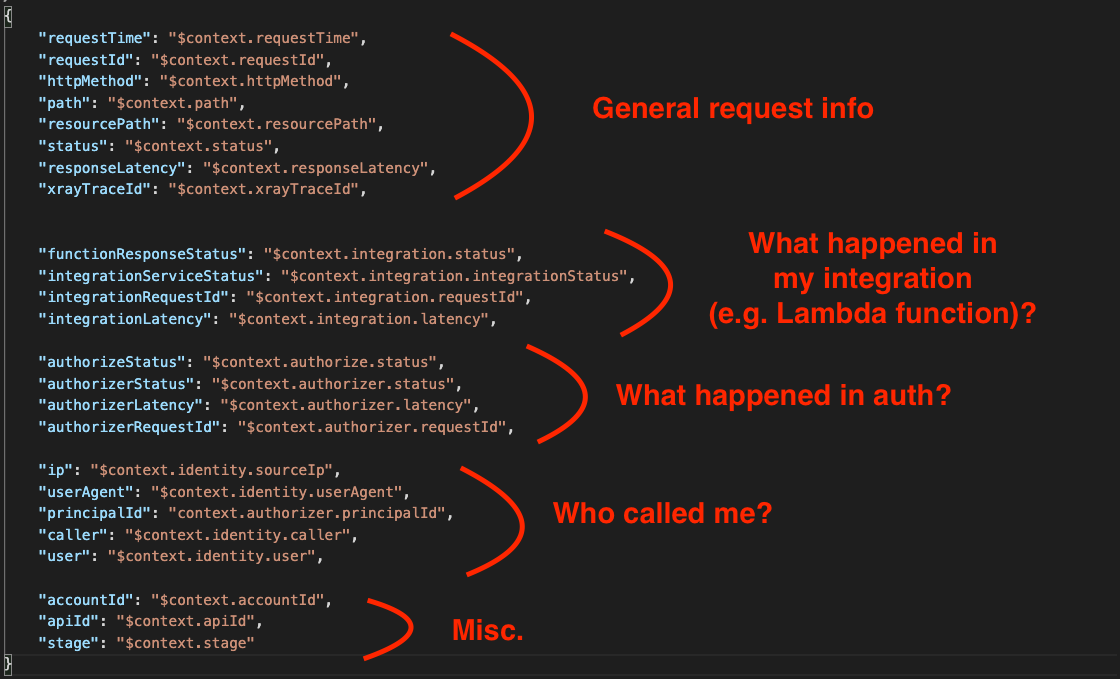
In my last newsletter, I talked about Alex Debrie and his deep knowledge in DynamoDB. But this man is also incredible with API Gateway! This article goes really deep in the details of API Gateway access logs, what they are, what they contain, how to configure them and obviously how to use them to troubleshoot your API. A must read!
|
|
|
Follow-up to “Skip Lambda…” — Why You Shouldn’t Skip It
|
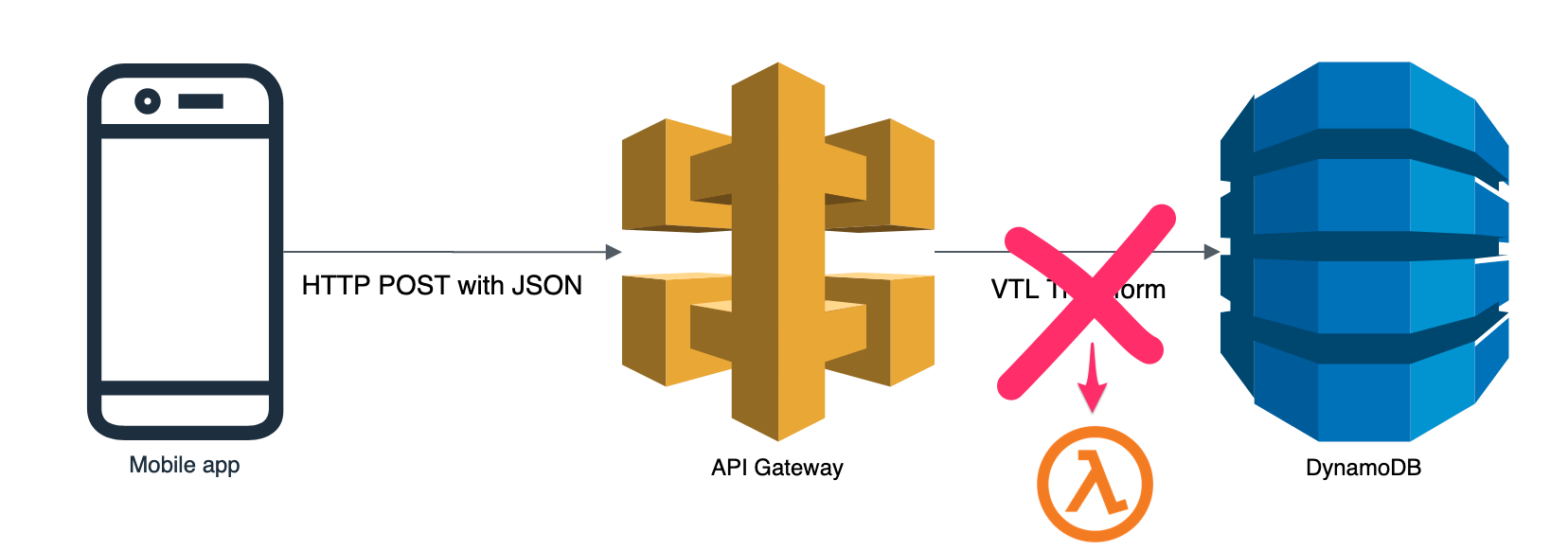
Last November, Chris Bailey wrote an article I already shared in this newsletter about direct integration between API Gateway and DynamoDB. And I really like this pattern as it ensures to be more resilient by saving the data before any processing. In this second article, he explains why you shouldn't do it... My point of view is that you should do it while you don't need too much VTL. If you need more code (event validation, security, data transformation and processing), use a lambda function.
|
|
| A Comparison of Serverless Function (FaaS) Providers |
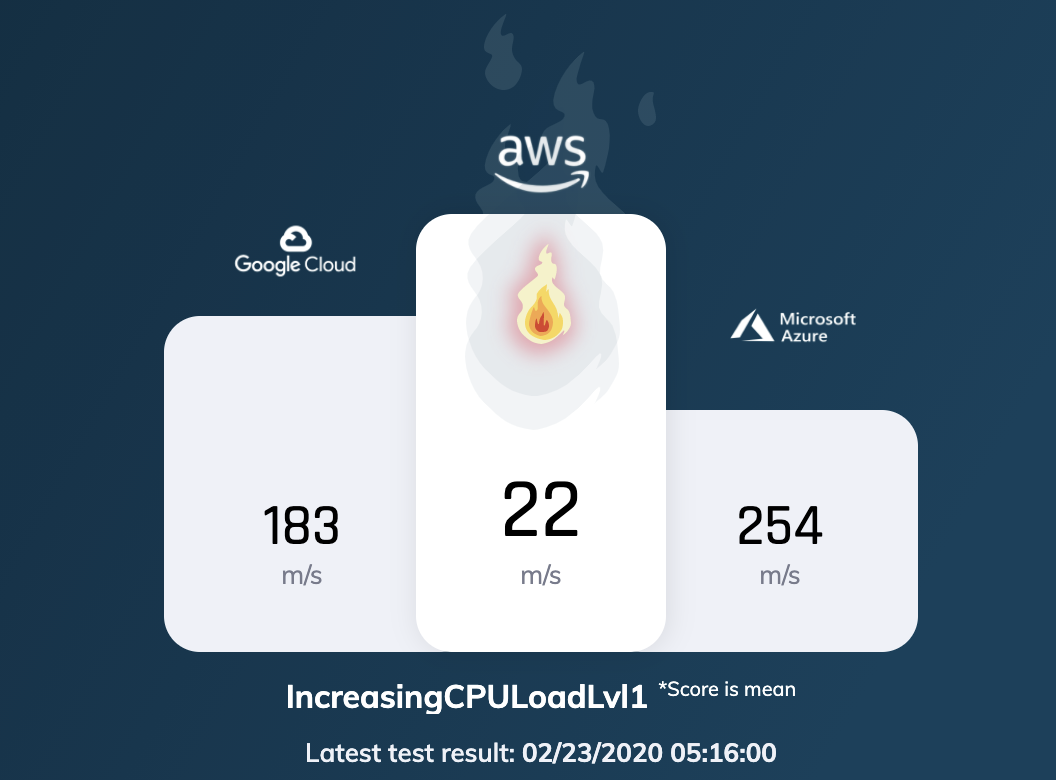
If you don't yet have a cloud provider and want to compare available solutions on the market when talking about functions, this article does a great job: capabilities, performances, pricing, ... And looking at performances, I also discovered faastest.com that provides multiple benchmarks for AWS, Azure and GCP.
|
|
3 ways of recycling third-party code for AWS Lambda
|
The Lambda function code is not the only place where you can put code. You actually have many choices now: layers, extensions or docker image. This article explains the differences and when to use one versus another. Interesting.
|
|
|
Create an AWS Lambda using Typescript
|
TypeScript is not natively supported by AWS Lambda, Javascript is. So if you want to benefit from TypeScript static typing, you can read this article that explains how to setup your project. To be complete, it would be interesting to include the use of a Makefile to automate everything (see doc).
|
|
Debugging AWS Lambda Functions with AWS X-Ray
|
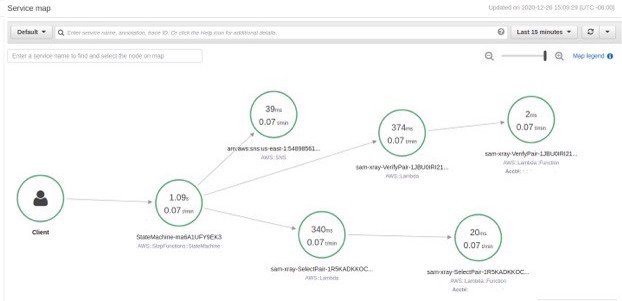
When building a serverless application, you often use Lambda (several functions), API Gateway, Step Functions, SQS, SNS and it quickly becomes necessary to implement observability in order to understand what is happening and be able to troubleshoot in case of a problem. X-Ray definitely helps in that and this article provides a significant example, not a simple hello world, of how to implement it.
Early in February, AWS announced X-Ray Insights, which provides anomaly detection and helps developers to quickly detect issues and identify root causes, particularly useful if you forgot to put some Cloudwatch alarms (see the blog post).
|
|
You are receiving this email because you subscribed via Meetup
Want to be removed?
No problem, click here to manage your notifications.
|
|
|
|